
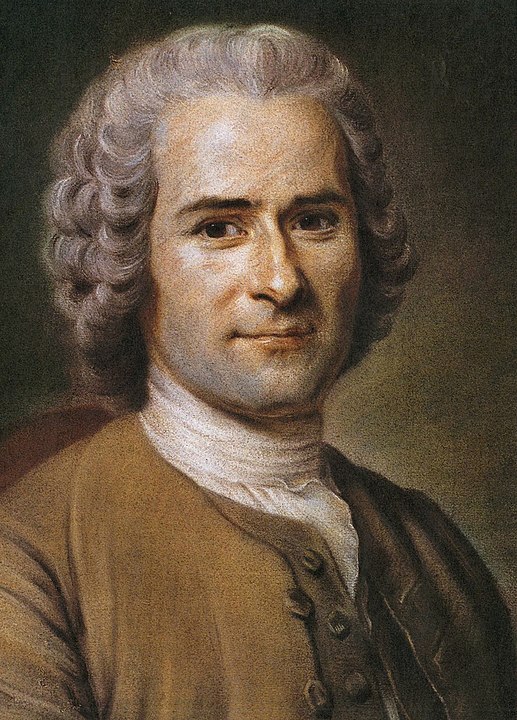
A fervent Swiss patriot and an uncompromising defender of his native Geneva. Curiously, however, it is the French who insist on printing postcards with his face on them.
A man of great passions, laid bare in his autobiographical writings, he seemed always to inhabit one of two extremes, suspended somewhere between love and hatred.
Political theorist invoked by revolutionaries, educational thinker with a special place in the affections of mothers, Jean-Jacques Rousseau was one of the most influential philosophers of the eighteenth century and a central figure of the Enlightenment. He argued that human beings are born naturally good and that society bears primary responsibility for their corruption. His ideas on liberty, education and politics exerted a profound influence, particularly through works such as The Social Contract and Émile, in which he proposed a new way of understanding the relationship between the individual and the community.
Rousseau championed equality and popular sovereignty, maintaining that political authority should arise from the people and serve the common good. His critique of social inequality and of civilisation itself would deeply influence movements such as the French Revolution. At the same time, his sensitive appreciation of nature and human emotion anticipated many themes of Romanticism, making him a pivotal figure in the transition between some of the most important currents of European thought.


.jpg)
Termos e Condições