
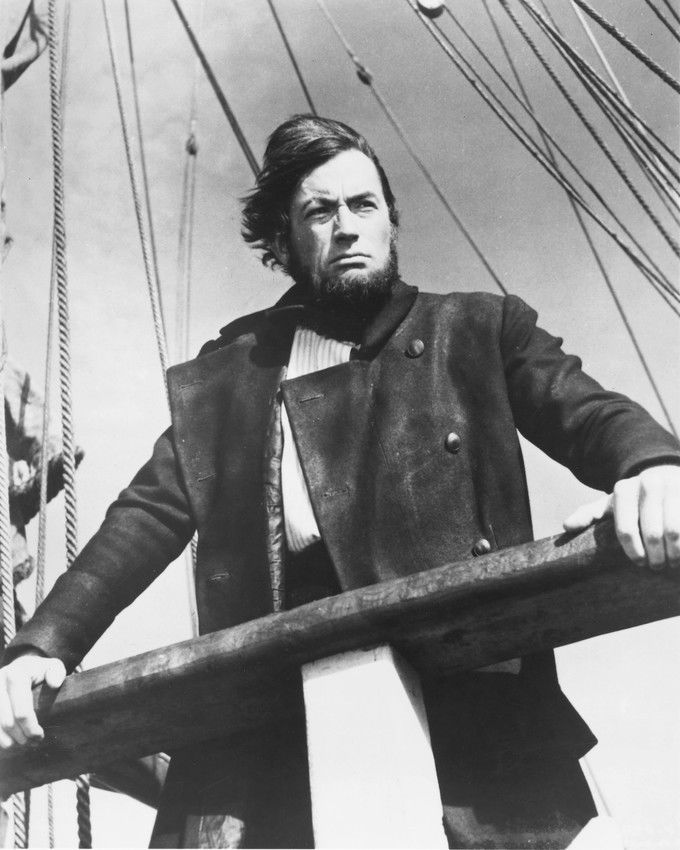
A thirst for vengeance does little for one’s digestion, and it shows on Captain Ahab’s face. To a past marked by pain, he has added a profound contempt for humanity and technology alike. The tragic and obsessive figure from Moby-Dick is one of the most iconic characters in literature. Bearing an ivory leg as a reminder of his previous encounter with the gigantic white whale, he embodies the desperate struggle between human obsession and the untameable forces of nature. His quest for revenge against Moby Dick transcends a simple hunt—it becomes a metaphor for madness and fate, as his uncontrollable fervour drags the entire crew of the Pequod down a path from which there is no return.
Published in 1851, Moby-Dick was not immediately recognised as a masterpiece, but it is now regarded as one of the greatest novels in world literature. Combining maritime adventure with philosophical reflection, Herman Melville crafted a rich and complex narrative filled with symbolism and profound questions about the human condition. Beyond the conflict between Ahab and Moby Dick, the novel explores themes such as destiny, free will, and humanity’s insignificance before the vastness of the ocean.
Herman Melville, the author of this masterpiece, lived a life marked by hardship and an initially lukewarm reception to his writings. Born in 1819, he spent part of his youth at sea, experiences that would later inspire much of his literary work.
In this article from Open Culture, readers can find a link to a collaborative reading project of Moby-Dick featuring renowned actors such as Tilda Swinton, Stephen Fry, Benedict Cumberbatch, and many others.
The best-known film adaptation remains John Huston’s 1956 classic, with Gregory Peck portraying Captain Ahab.
Below, a TED-Ed video explains why Moby-Dick remains essential reading.
Excluindo as imagens criadas pelo autor deste blog, as imagens utilizadas neste post têm as seguintes lincenças:
Gregory Peck in Moby Dick: https://commons.wikimedia.org/wiki/File:Peck_Moby_Dick.jpg


Termos e Condições