Sorry for the interruption again, it was the building manager. He came to deliver the building regulations, a dense document filled with minor precepts. Only the typical fondness for formalities, so often displayed by those in minor positions of authority, can explain his insistence on handing me a printed copy in person, accompanied by long-winded platitudes.
I am considering leaving the city and will need a responsible tenant to look after the flat for an extended period. All of this seems rather sudden, perhaps even a little manic, but the reasons for my unease are tied to the story I am trying to tell you faithfully.
As you might suspect, I ended up going with the French couple to “La Bohème”. I cannot quite explain why. On the one hand, I wanted to get away before Ms Lortz or someone from the library spotted me. On the other, I felt that peculiar fascination that free spirits exert over souls weary of routine. Or perhaps it was simply the hope of hearing live jazz. As my great-grandfather used to say, work is a tame horse that does not run away, and off we went. In a single bound, we left the terrace, passed through the tunnel on Mareantes Street, and turned right into a narrow medieval alley where the stars are barely visible.
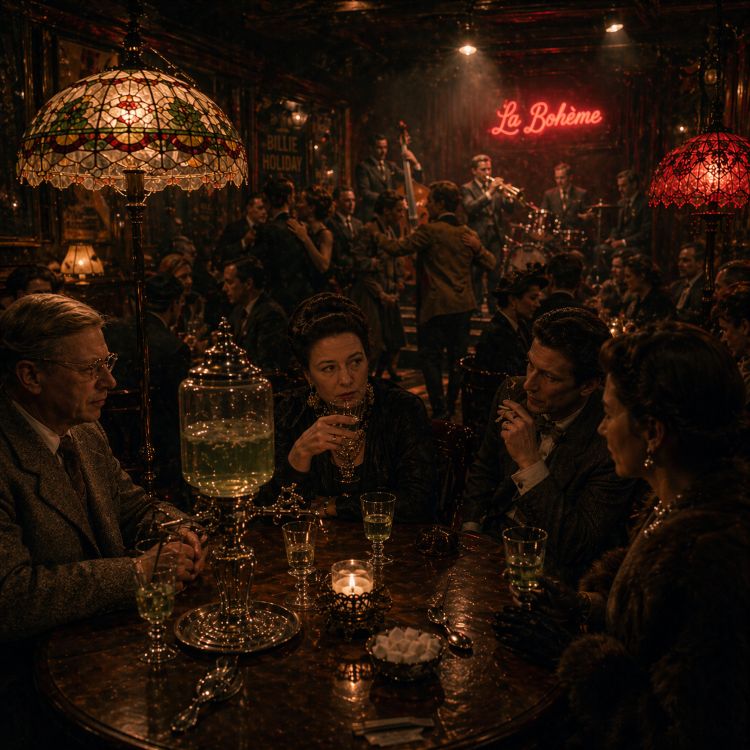
I have known “La Bohème” for years; everyone in Setúbal knows it, it is perhaps the oldest bar in the city. Still, I was surprised when, upon arrival, the couple exchanged a subtle hand signal and a slender man with a thin moustache and a striped waistcoat, whom I had never seen there before, discreetly drew aside a heavy dark velvet curtain. We hunched our shoulders slightly and slipped in through a low doorway, almost clandestinely. On the other side, we followed a long, narrow corridor, the air thick with smoke and strains of music that seemed to intensify the further we went, as though we were entering the heart of some hidden den.
I still cannot work out where in the building the space we reached actually fits: a room with a worn mahogany bar to the left and, at the far end, a small wooden platform raised from the floor, holding a drum kit and other instruments. Round tables were lit in yellow and red tones by Tiffany ceiling lamps, surrounded by chairs with worn burgundy upholstery, all enveloped in an excessive ornamentation of horn-shaped mirrors, jazz posters and paintings darkened by smoke, barely revealing walls lined with brown paper and without a single window.
The room was buzzing. Animated conversations echoed in French; some leaned against the walls with a drink in hand, others bent close to catch a whispered confidence, while a few swayed lazily to the invisible music. Every table was occupied and we could not find a place to sit.
“Ici!” I heard someone call, and spotted a man waving. Only then did I realise I did not know the names of my companions.
Chairs were dragged together so we could join three new acquaintances: an elegant man in a dark suit with his white shirt open at the collar, another slightly shorter man with a round face and dark hair, and a woman with a Greek profile, long black hair, and intense eyes scanning the room.
The man in the suit gave up his seat to the woman in the turban beside the other man.
“Take my seat. It’s my turn to play.”
“Where is Miles?” asked my guide, still standing.
“Miles away,” sighed the woman with the Greek profile.
No sooner had I sat down than a jazz trio began to play, with the man in the dark suit on trumpet.
“He’s good, and he writes well too, but no one gives him credit,” shouted the man with thick glasses, leaning over my shoulder. “He certifies things as an engineer, yet no one certifies his work.” He laughed at his own joke.
“But you certified his wife,” said the woman with the Greek profile with playful malice.
“Ex-wife, Juliette. Ex. If we are going to talk about certifications, we’ll need more than this table to compare your list with mine.”
“Je sais… Parlez-moi d’amour.”
They both laughed, and the woman smiled at me, beginning to sing along as the trio launched into a new piece.
“Would you like to dance?” the woman in the turban asked. Other couples were forming too, creating an atmosphere of intimate celebration. I nodded, still a little dazed, wondering how one was meant to dance to that rhythm.
She placed one hand gently on my waist and the other on my shoulder.
“Don’t worry, follow my hips.”
She laughed, and we danced under the attentive gaze of the two men.
“Don’t pay them any mind, they’re men. They weren’t born that way, they were made that way by society.”
“Do they follow the general life project?” I asked, attempting a joke. She smiled.
“Existence does not occur in isolation from everything else. It is difficult to escape the gaze of others, which turns us from voyeurs into objects. And you know very well how we are turned into objects by certain looks.”
She shifted our bodies slightly and nodded towards the man with the thick glasses.
“He jokes that other people are hell. In part, they are: neighbours, colleagues, strangers on public transport… Yet we exist in the world with others and cannot, nor should we, avoid them. The parameters of our individual freedom require the freedom of others. We cannot impose our freedom on them.”
She paused briefly, studying my face, then smiled broadly and guided me back into the rhythm of the dance.
“We experience different inequalities, and one of them is between us and them. Even when a certain equality is permitted, the price we pay is having to become like them and imitate their behaviour. Equality does not mean sameness, and many prominent women in public life still make that mistake, dragging others into the same illusion.”
She leaned closer, hiding her mouth against my cheek, and whispered warmly into my ear:
“On ne naît pas femme: on le devient. The social construction of femininity serves only the purposes of patriarchal structures, to diminish us and cast us as the other, the secondary one, the one who comes after, tidies up, cleans, or waits behind preparing the return. Not an agent of action, but an object deprived of the freedom to act, to exist.”
She drew back slightly, swaying her head to the rhythm, then lifted my hand as if to spin me before drawing close again.
“They seek to oppress us through our bodies, to turn us into objects with reproductive, maternal, domestic, sexual functions. They want to deprive us of what we can do with our bodies.”
Her hand moved from my hip to my shoulder, brushing her forearm lightly against my breast, sending a shiver through my skin. She leaned in again.
“Look at them, see how they watch us, delighting in objectifying our interaction, the pure pleasure of voyeurism. It is only at moments like this, my dear, that they allow us to explore our bodies, but always as objects of their gaze.”
The music ended, but we remained close, as though the dance continued.
“Many of us live happily because we do not have to make decisions and are kept in the privileged world of children, spared the anguish existence brings. Yet they do not truly exist, they have no autonomy, and the small ‘freedoms’ they experience are merely a playground to keep them entertained within controlled limits. It is not something they choose, it is something imposed upon them.”
She stepped back, smiled again, and took my arm, guiding me back to the table.
“I think I’ve said enough for one night. Come, we have drinks waiting.”
The man in the dark suit returned.
“Well done, Vernon. You’ve left us enchanted,” said the woman with the Greek profile.
“Praise from a chanteuse like Juliette must fill your heart.”, said the man with the thick glasses.
“Ah, that was taken from me long ago. Still, whatever replaced it receives your praise with gratitude. Perhaps one day you’ll lend your voice to one of my songs.”, the musician replied.
“Certainement. Je ne suis pas snob enough not to sing for you, Sibor.”
Laughter.
“He likes to play with names, and we do the same to him,” the woman in the turban explained.
An absinthe fountain was placed on the table, followed by glasses, spoons, and a bowl of sugar cubes. In no time, the atmosphere shifted, the warm tones giving way to a yellow-green haze, and my head began to spin.
“Careful not to fall into the absintbyss.”
Laughter.
“Better that than absinthism.”
More laughter. The humour passed between them like a game of jeu de paume.
Not long after, the round-faced man stood up and took his leave. He said he was tired, glanced at the woman in the turban, then at me, gave a brief nod, and walked away. The woman in the turban noticed my confusion.
“He is in a long creative process and has no energy for our games.”, she explained, litting a cigarette.
Pressing her lips into a straight line, she released a stream of smoke that curled upwards before dissolving.
“He is trying to create online video content, but without success. He had technical difficulties because he could not upload a video longer than nine hours. When he split it into parts and posted it, he was surprised that no one subscribed. No one wants long, serious things. Give them two minutes on how to make a homemade beauty cream with some vegetable and everyone watches. Show two people making the same foolish faces for five minutes and everyone subscribes. Offer even a single minute of serious reflection on barbarity and no one touches it.”
The mood at the table shifted. Suddenly, it was as though everyone had remembered their own personal projects. The man in the dark suit and the woman with the Greek profile waved to me from a distance. The man with the thick glasses kissed my hand.
“Remember: existence precedes essence.”
The woman in the turban embraced me and kissed me three times on the cheek.
“Be generous. And do not forget us, do not forget who we are.”
And I found myself outside, alone on Mareantes Street.
Wait, Silva is calling me. I’ll write again shortly.
Hearts Torn Out
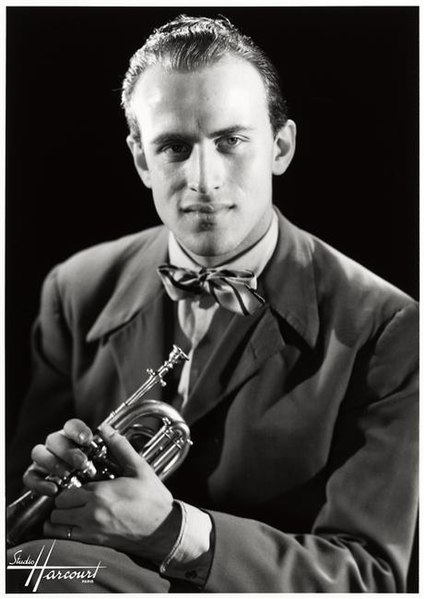
Boris Vian was a musician, poet, novelist, engineer, and inventor. Associated with both surrealism and existentialism, he made his mark in literature with works such as Froth on the Daydream (L’Écume des jours) and Autumn in Peking. A passionate lover of jazz, he also collaborated with artists like Duke Ellington and Miles Davis.
Excluindo as imagens criadas pelo autor deste blog, as imagens utilizadas neste post têm as seguintes lincenças:
Boris Vian: Studio Harcourt https://commons.wikimedia.org/wiki/File:Vian_Harcourt_1948_3.jpg
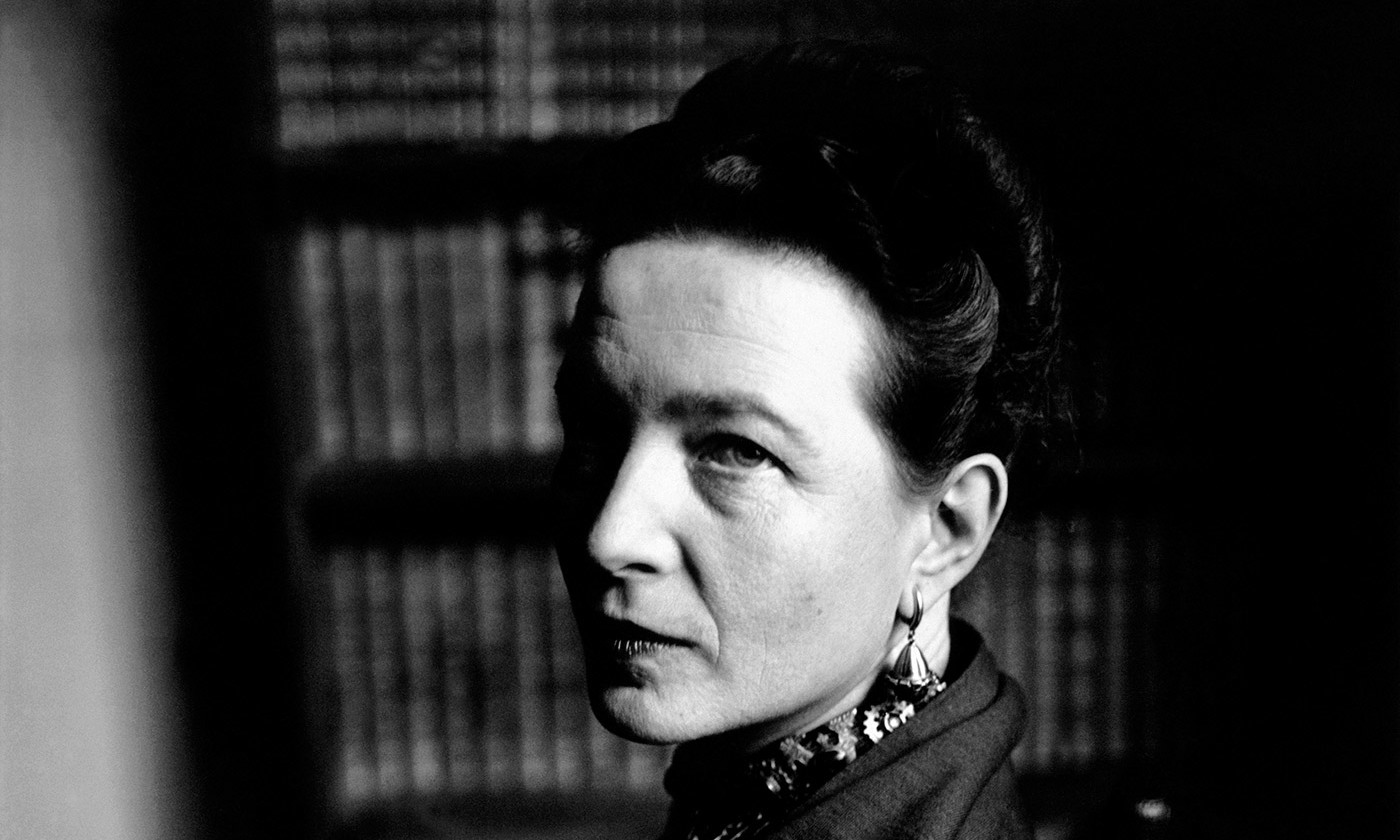
Simone de Beauvoir: Elliott Erwitt https://pt.wikipedia.org/wiki/Simone_de_Beauvoir#/media/Ficheiro:Simone_De_Beuvoir2.jpg
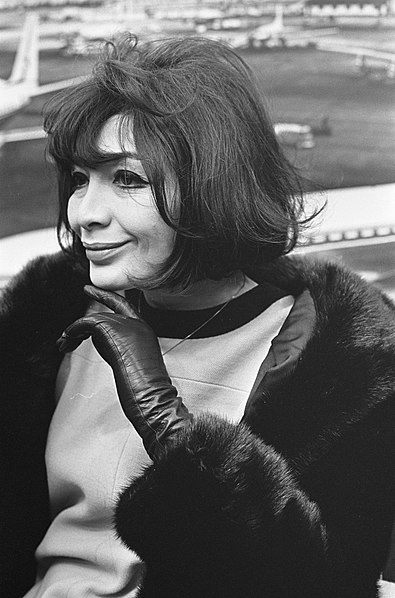
Juliette Greco: Ron Kroon https://commons.wikimedia.org/wiki/File:Juliette_Greco_op_Schiphol,_Bestanddeelnr_918-9741.jpg


Termos e Condições